

IPTV vs. Satellite TV: Which is Better?
Choosing the right TV
service can be confusing. For a long time, Satellite TV was the best choice for people who wanted hundreds of
channels. But now, IPTV (Internet Protocol Television) is challenging that dominance. Both offer great content,
but they work in completely different ways. In this guide, we will break down the differences between IPTV and
Satellite TV to help you make the right choice for your home. If you decide to go with IPTV, a great player to
use is IPTV Smarters PRO.

Satellite TV needs a dish and a clear sky; IPTV just
needs the internet.
How They Work
The fundamental
difference is in the technology.
Satellite
TV: A provider beams signals from a satellite in space down to a dish installed on your roof. The
dish catches the signal and sends it to a box by your TV.
IPTV:
It uses your internet connection. The video data travels through fiber optic cables or phone lines to your
modem, and then to your device via Wi-Fi or Ethernet.
Weather Impact
Satellite TV can lose signal during heavy rain or snow
(“rain fade”). IPTV is not affected by the weather outside.
Installation and
Equipment
Satellite
TV: It requires professional installation. You need to mount a dish on your roof or balcony. If you
live in an apartment, you might not be allowed to install one. You also need a specific set-top box for each TV.
IPTV:
It is very easy to install. There is no hardware to mount outside. You can use devices you already own, like a
Smart TV, Fire Stick, or Android phone. You just download an app and log in.
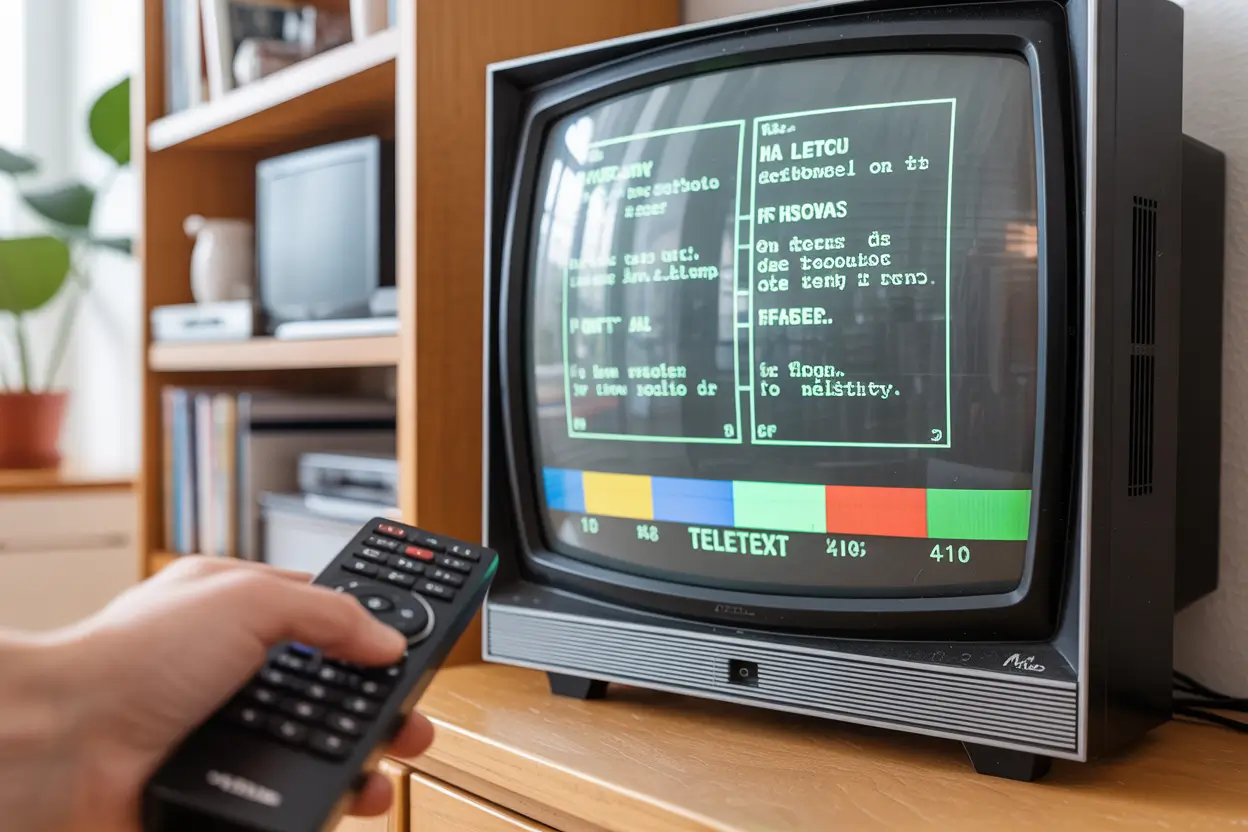
No drilling holes or climbing on the roof is required
for IPTV.
Channel Selection
and Features
Satellite
TV: It is great for live sports and exclusive packages. It offers hundreds of channels, but you
often have to pay extra for premium bundles. Video on Demand (VOD) is limited because it has to be downloaded to
the box’s hard drive.
IPTV:
It usually offers thousands of channels from all over the world. The VOD libraries are massive, often containing
tens of thousands of movies and series that stream instantly. You also get features like “Catch-up” to watch
shows you missed.
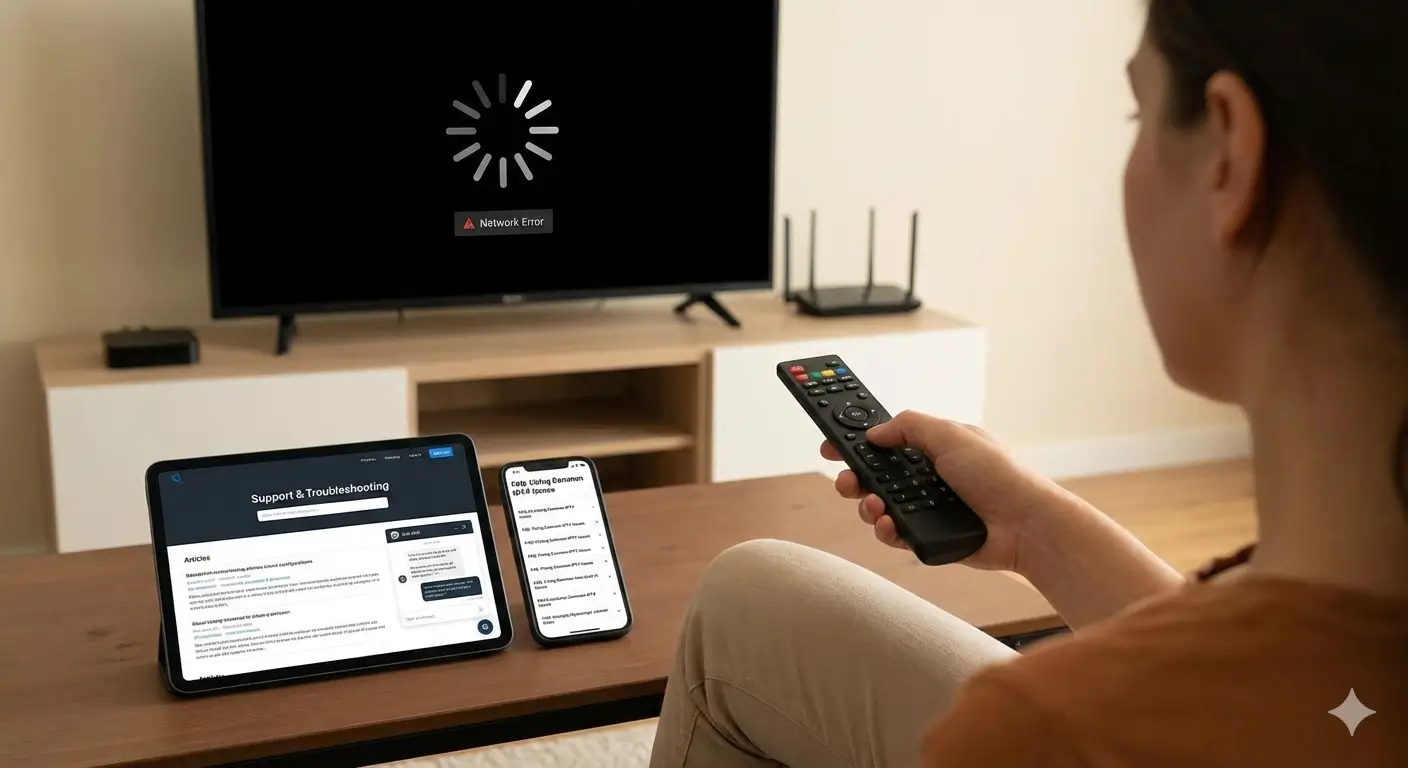
IPTV gives you instant access to huge libraries of
content without downloading.
Price Comparison
Satellite
TV: It can be quite expensive. You pay for the equipment, installation, and a monthly subscription
that often increases after the first year. Contracts are common.
IPTV:
It is generally much more affordable. Competition is high, so prices are low. You can find flexible monthly
plans without long-term commitments. For more on affordable options, check Smarters Pro.
Internet Dependency
This is the main
weakness of IPTV.
Satellite
TV: It does not need the internet. This makes it perfect for rural areas where internet speeds are
slow or unreliable. As long as you have a clear view of the sky, you have TV.
IPTV:
It relies entirely on your internet connection. If your internet goes down, your TV goes down. If your speed is
slow, you might get buffering. You need at least 10-25 Mbps for a good experience.
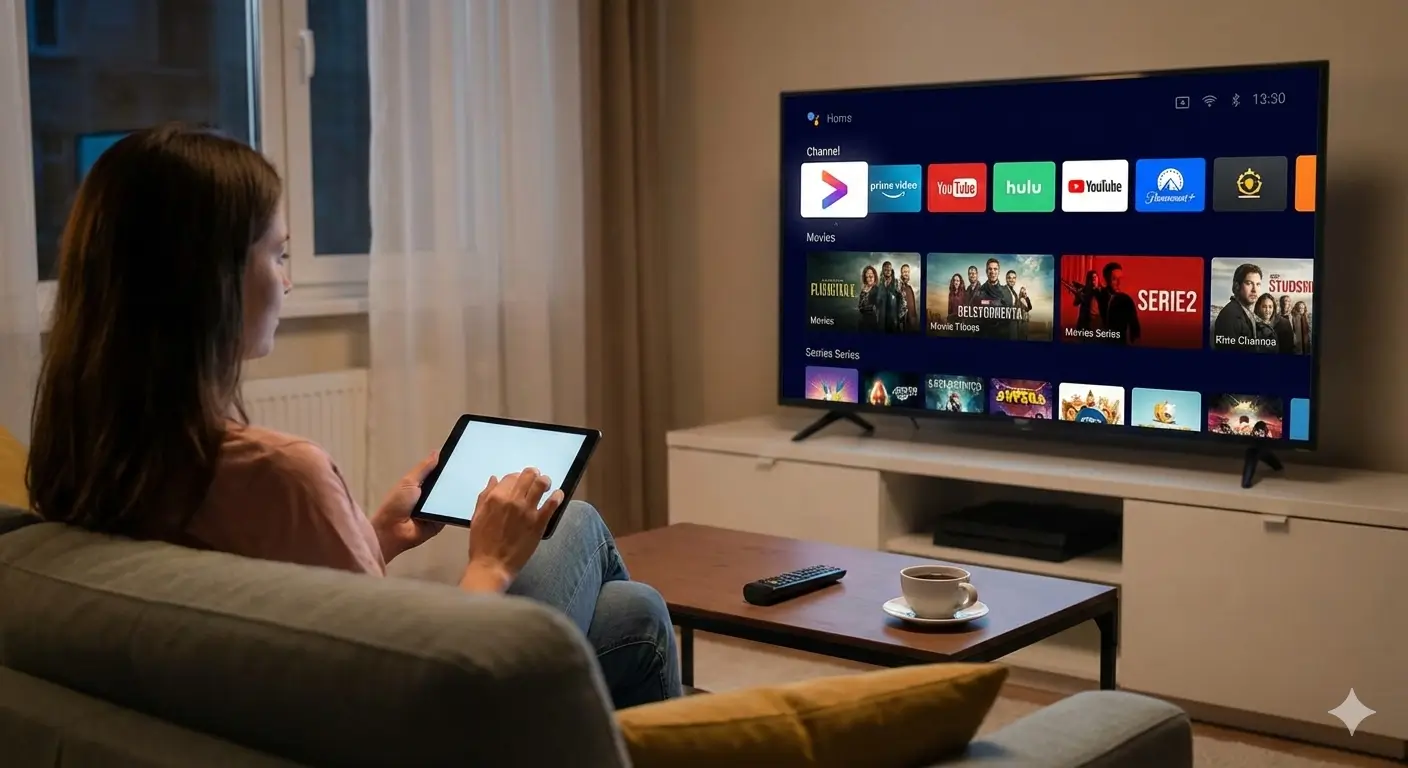
A stable internet connection is the fuel for smooth
IPTV streaming.
Pros and Cons
Summary
Here is a quick recap
to help you decide:
- Works without internet.
- Great for rural areas.
- High-quality picture.
- Cheaper.
- No installation required.
- Works on many devices.
- Huge VOD libraries.
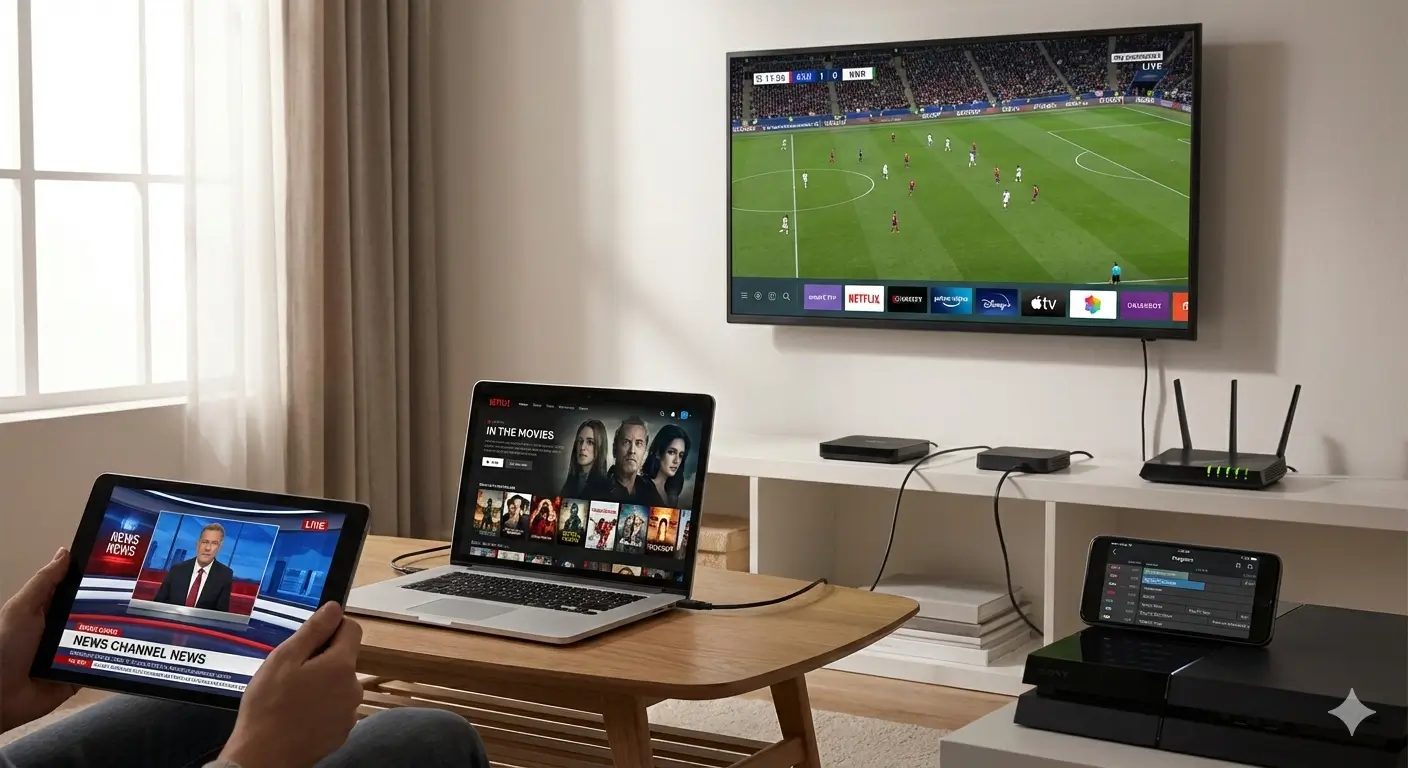
Weigh the pros and cons based on your location and
budget.
Conclusion
If you live in a city
with good internet, IPTV is likely the better choice. It is cheaper, more flexible, and easier to set up.
However, if you live in a rural area with slow internet, Satellite TV is still the king of reliability. Think
about your internet speed and your budget before making the switch.
Final Verdict
IPTV is the modern winner for most people, but Satellite
remains essential for remote locations.