
IPTV vs. Cable TV: What is the Difference?
For decades, cable TV
was the king of home entertainment. You plugged a cord into the wall, paid a monthly bill, and flipped through
channels. But now, IPTV (Internet Protocol Television) is taking over. Many people are switching, but they are
not sure exactly how it differs from the cable they are used to. Is it just about the price? Or is the
technology different? In this article, we will compare IPTV and Cable TV side-by-side to help you decide which
is better for you. If you are looking for a modern player for your IPTV, check out IPTV
Smarters PRO.
The main difference is how the signal reaches your
TV: physical cables vs. the internet.
How the Signal is
Delivered
The biggest technical
difference is the delivery method.
Cable
TV: It uses dedicated coaxial cables buried underground or strung on poles. These cables connect
directly to your house. The signal is always “on” and flowing through that wire, whether you are watching or
not.
IPTV:
It uses your existing internet connection (broadband, fiber, or 5G). The video is sent as data packets, just
like an email or a web page. You only receive the data for the specific show you are watching at that moment.
Think of it
this way
Cable is like a water pipe that is always full. IPTV is
like ordering a glass of water only when you are thirsty.
Content and
Flexibility
Cable
TV: You are usually limited to what is airing right now (Live TV). Some cable boxes have DVRs to
record shows, but you have to remember to set them. You are also tied to the TV that is plugged into the wall
outlet.
IPTV:
It offers much more freedom. Most services include Video on Demand (VOD), which is a library of movies you can
watch anytime. You also get “Catch-up TV” to watch past shows without recording them. Plus, you can watch on
your phone, tablet, or laptop anywhere in the house or even outside.
IPTV lets you take your TV with you, unlike cable
which is stuck in one room.
Cost Comparison
This is the main reason
people switch.
Cable
TV: It is known for being expensive. You pay for the package, equipment rental fees, broadcast
fees, and taxes. Contracts often lock you in for a year or two.
IPTV:
It is generally much cheaper. You can find legal services for a fraction of the cost of cable. There are usually
no long-term contracts, so you can cancel anytime. You also don’t usually pay for equipment rental since you can
use devices you already own.
Switching to IPTV can save households hundreds of
dollars a year.
Picture Quality and
Reliability
Here is where cable
still has some advantages.
Cable
TV: Because it uses a dedicated line, the signal is very stable. It rarely buffers or freezes. The
picture quality is consistent.
IPTV:
It depends on your internet. If your internet is slow or many people are using it at once, you might experience
buffering (loading circles). However, if you have fast fiber internet, IPTV can offer 4K quality that is even
better than cable. For tips on improving your stream, visit Smarters Pro.
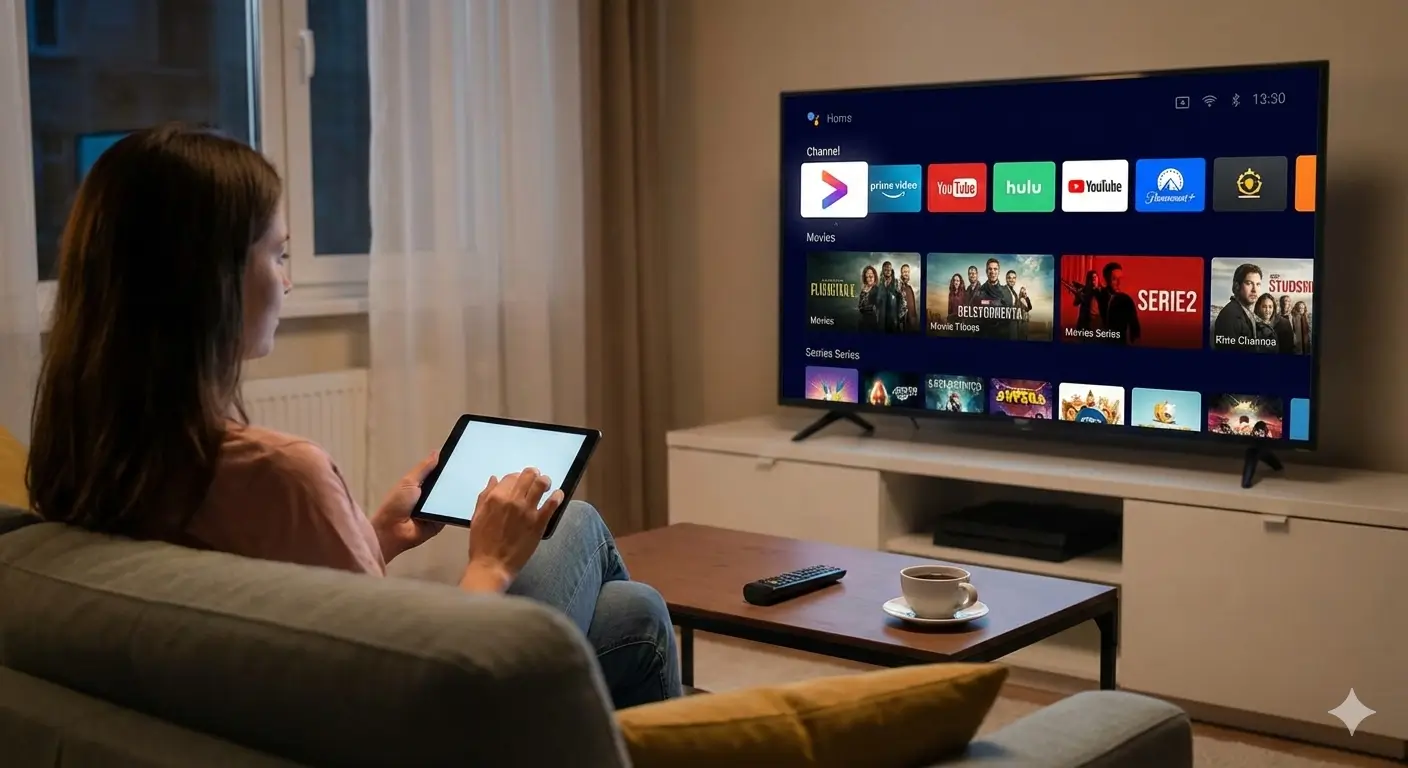
With good internet, IPTV can deliver stunning 4K
resolution.
Which One Should
You Choose?
It depends on your
needs.
Choose Cable TV
if:
- You have slow or unreliable internet.
- You want the simplest experience (just turn it on and watch).
- You don’t mind paying more for stability.
Choose IPTV
if:
- You want to save money.
- You want to watch on multiple devices (phones, tablets).
- You want a huge library of movies and shows on demand.
- You have a good internet connection.
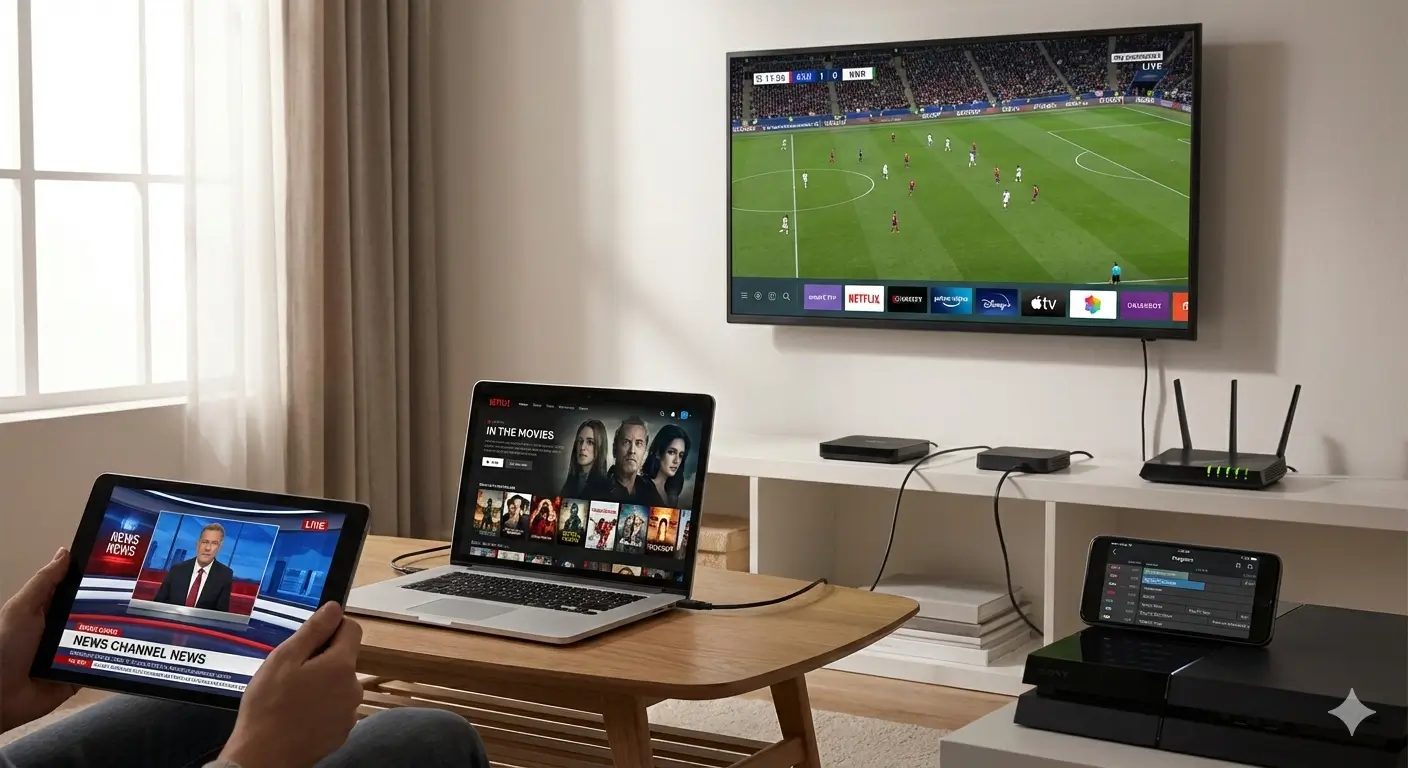
Ultimately, the choice depends on your budget and
internet quality.
Conclusion
The world is moving
away from cables and towards the internet. IPTV offers a modern, flexible, and affordable way to enjoy
entertainment. While cable TV still has its place for those with poor internet, IPTV is clearly the future. If
you are ready to cut the cord, IPTV is the best alternative.
Ready to
Switch?
Check your internet speed first. If it is over 20 Mbps, you
are ready for a great IPTV experience.